Ear infections cause pain and discomfort, and the ear canals are sensitive. Cat yeast infection in the ear.
Yeast Infection Early Stage Cat Ear Mites

A yeast infection causes extreme itchiness in cats, so they will scratch and lick themselves more than usual.

Yeast infection in cats ears. Never cleared her ears before administering the drops (it was hard enough to get the drops in without adding an extra step to the process). Yeast infections in cats are usually associated with the ear and characterized by wax residue and scabbing around the ear. As a result, ear infections in cats may cause serious health issues and may reach an advanced state before symptoms become noticeable.
Malassezia dermatitis is caused by yeast that is often present in the skin and ears of domestic felines. We decided to follow this method up with yet another natural home remedy, using warm olive oil and coconut oil. Yeast infection in cat's ear:
Ear mites are very contagious and spread. An overgrowth of yeast which leads to a yeast infection is common in cats. It certainly sounds like ear mites as ear infections of that severity occur less in cats then in dogs.
You will be able to see the mites swimming. Candida is a normally occurring yeast found in a cat’s digestive system, ears and nose. It can be caused by various factors, including cat ear mites, foreign objects lodged in the ear, allergies, yeast or bacteria buildup, and excessive wax.
Ears are perhaps the most common feline body part for a yeast infection. If anything causes a slight overgrowth in this yeast or bacteria, it can easily turn into a full blown ear infection. Excessive amount of this yeast in the ear will.
Symptoms include head shaking and scratching at the ear, often accompanied by a bad odor. However, an overgrowth of yeast can cause inflammation of the skin and a host of other problems. Outer ear infections are called otitis externa.
The most common yeasts connected with ear infections are candida and malassezia. Infections of the external ear canal or outer ear caused by bacteria and yeast are common in dogs, but not as common in cats. As far as infections go, a yeast infection in a cat’s ears is rather common, and can be quite irritating and unpleasant, for both the cat and its owner.
But unlike their canine counterparts, cats, by nature, tend to be very stoic creatures. A little mineral oil in the ear (to trap the mites) and then examining a swab under the microscope is all that is needed. It should be very easy for your vet to diagnose ear mites.
Treatment at home for your cat's ear infection involves monitoring the condition of your cat's ears to check that the interior of the ear flap is clean and that the canal is clear. By the time the cat is presented to the veterinarian, the mites may be gone but a significant ear infection remains. If your cat has another health problem, candida can become opportunistic and may attempt to invade damaged or compromised tissue.
The type of yeast we see on the skin and in the ears of cats and dogs is almost always malassezia yeast. My cat used to always get yeast infections in her ears. If your cat is showing signs of discomfort with their ears then get them checked out by a vet, so that they can receive appropriate treatment.
Owners should always go speak with a vet before starting a home treatment for ear infections. I'd recommend going a full 10 days, to be certain all larvae, as well as the mites, are good and dead! A cat ear yeast infection is one of the most commonly diagnosed cat ear problems at veterinary clinics.
The most common cause of feline otitis externa is ear mite infestation. The infection may be localized in the ear canal, in between the paws, in the rectum or in females, in the vagina. The drops always worked fine on their own.
Cat ears can be infested with yeast, bacteria, ear mites or a combination of all three. Just follow the instructions of your vet. The ear infection, formally known as otitis, can affect either the outer, middle, or inner ear.
In an animal with normal skin, these yeast organisms live on the skin surface and in the ear canals in. This overgrowth can lead to a slew of irritating symptoms for your feline companion. Candida yeast is commonly found in the cat’s nose, ears, mouth and even the intestinal tract.
If the yeast is out of control, then it might attack the cat’s immune system. Yeast is really a symptom of what can be a variety of. What are the symptoms of an ear infection?
Same drops (tresaderm) used as well. These all come in ointment. Sometimes ear mites will create an environment within the ear canal that promotes the development a secondary infection with bacteria or yeast.
Ear infections in cats can be caused by various underlying triggers, which can then be made worse by secondary bacterial or yeast infections. Ear mites are another common cause of. Cat ear problems are quite common, and these can be caused by infections, allergies, injury, and a number of other factors.
This fungal yeast infection can occur in any breed. A cat’s ears contain a delicate balance of bacteria and yeast that can be disturbed by outside factors. Ear mites are common mites that live on the surface of pets' ears, including those of cats, dogs and ferrets, says the companion animal parasite council.
Luckily, there are several home remedies for ear infections in cats. Malassezia yeast are a normal inhabitant of the canine and feline skin. Veterinarians classify a cat ear infection by the type of infection that causes it.
Yeast In Cat Ears

Cat Ear Yeast Infection Pictures

Yeast Cat Ear Infection Pictures toxoplasmosis
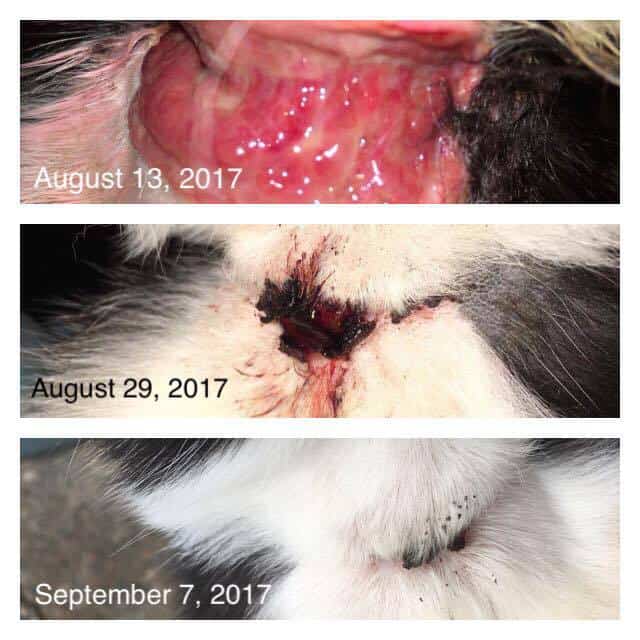
Treat Cat Ear Yeast Infections, Kitten Ringworm, Cat Fight
Yeast Early Stage Yeast Cat Ear Infection Pictures
