Although most open fontanels aren't serious and close up (unless they are accompanied by hydrocephalus/water on the brain), your breeder should have told you your pup had one beforehand. How old is the puppy?
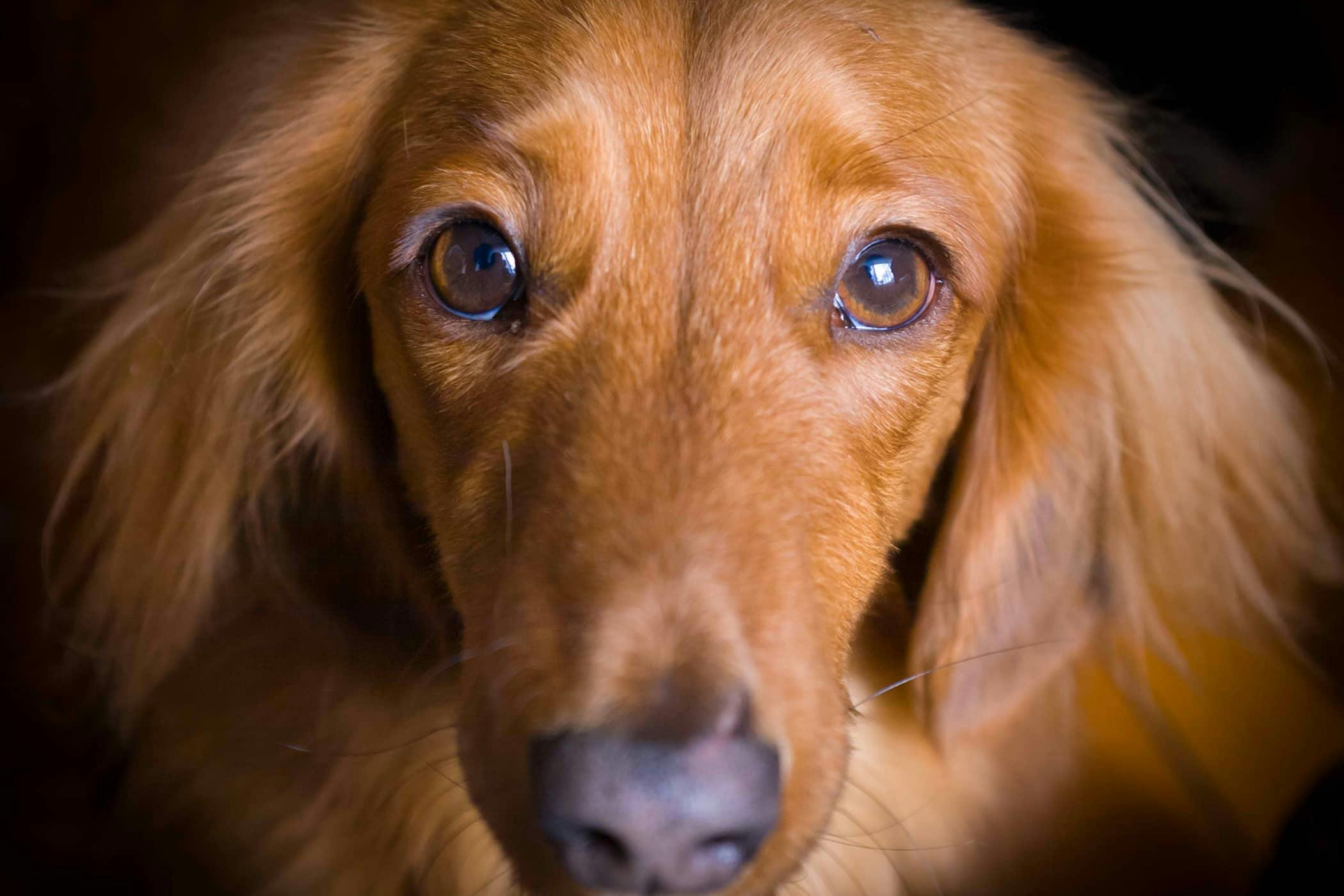
Open Fontanel in Dogs Symptoms, Causes, Diagnosis
For most canines this opening closes up as they age, becoming solid.
Open fontanelle in puppies. Ultrasound evaluations through the fontanel can reveal dilated or enlarged brain ventricles (open areas in each half of the brain). Congenital open fontanels are often found in toy breeds. If present, the puppy may be prone to seizures or bouts of disorientation.
Some puppies are born with what is called an open fontanel. the fontanel is the location on the top of the skull where all of the skull plates join. From birth to day 3 they demonstrate total flexor dominance but by day 4 extensor dominance is predominate until 3 weeks. Although large moleras and moleras that remain unclosed after a puppy’s sixth month.
Puppies and kittens are born with a righting, withdrawal, and tactile anal and urinary reflexes. The central nervous system is bathed in cerebrospinal fluid that is secreted by chambers inside the brain. Open fontanelles are holes in the skull that result from incomplete closures of the skull’s soft spots during normal growth in puppies.
Puppies with hydrocephalus usually show neurological symptoms by the age of 3 to 4 months. The rooting reflex is present at birth. When fluid builds up, there is no room in the brain for extra volume and disaster can result.
An affected dog may walk funny, circle or fall over, and have difficulty gaining weight as he grows. This handout discusses causes, diagnosis. It is equivalent to the soft spot at the top center of a human baby's head.
The last place to fill in and solidify is the spot at the top of While most puppies are unaware of having an open fontanel, there are two main physical problems associated with the condition. The “hole” is gradually closed and this process is considered usual for this dog breed if the soft spot is large, then your pup definitely needs a vet.
Hydrocephalus, also known as water on the brain, sometimes develops in puppies with open fontanels. After birth, these plates gradually fuse and become rigid. Open fontanelles are soft spots in the skull, or gaps between the skull’s growth plates.
Yorkies, like maltese, should stay with the breeder until they are at least 12 weeks old. If she is three months and it hasn't closed, i'd ask to have the puppy's medical records faxed to your vet before you make a commitment. The only concern is that some of these puppies may have an open fontanelle because they have hydrocephalus.
A puppy with an open fontanel can live out a normal life with certain precautions. Something with a small enough diameter would have to hit it right on. This spot is a few inches higher than the middle of the dog’s nose, towards the top of their head.
What is an open fontanelle? Some dogs, most notably chihuahuas, have moleras that never fully close. An open fontanelle in dogs is on top of the head.
An open fontanel is the soft spot on the top of a puppies head. It is where the skull bones did not fuse together. Open fontanelles are soft spots in the skull, or gaps between the skull’s growth plates.
If it does not, it still may close later. Second, a dog with an open fontanel is. Hydrocephalus has been observed in saint bernard puppies in association with aphakia (absence of the lens) and multiple ocular defects.
It is equivalent to the soft spot at the top center of a human baby's head. It's like a soft spot babies have when they're newborns. An open fontanelle can be no big deal, but it can also accompany other serious health issues.
With one that small, the chance of injury would be very low. Hydrocephalus occurs when cerebrospinal fluid in the brain can't drain properly, leading to a domed shape in the head from fluid collection. There are instances when the closure of the gap is quite slow and may reach until the puppy is around 6 months old.
One is hydrocephalus, or water on the brain. In young puppies, a large fontanel and clinical signs consistent with hydrocephalus are usually all that are needed to make a presumptive diagnosis. Most will not, but it is possible.
I agree with your vet 100% that you should tell your breeder about this. Some puppies are born with what is called an open fontanel.” the fontanel is the location on the top of the skull where all of the skull plates join. A molera may also be called a fontanelle or soft spot, and if present, it can be found located where the skull’s frontal and parietal bones meet.
When puppies are born, the. All you need to know for now is that the open fontanelle occurs when the bones of the skull fail to meet and fuse. Veterinarians can usually tell by the time puppies are four months old if they will have an open fontanelle.
While for many dogs these soft spots close completely by 9 to 12 weeks of age, various smaller breeds of dogs, including toy and tea cups breeds, retain these holes past puppyhood. As most vets note, this is usually found on the pup’s forehead. Imaging by ultrasonography (through the fontanelle), ct, or mri can provide the diagnosis, and csf analysis should identify encephalitis.
The fontanel is the area at the top of the skull where the bone plates merge. When puppies are born, the bony plates of the skull are somewhat soft and separated. A molera is a small opening in a puppy’s head, comparable to the fontanelle (soft spot) in a human infant’s skull.
The suckling reflex is present until 3 weeks of age. Certain abnormal conditions can prevent the closure of the fontanel resulting in the presence of a gap on top of the skull that can predispose two important problems—first, the brain becomes vulnerable to injury; Open frontanels when puppies of various breeds (and human babies too) are born, the bony plates of the skull are separated and somewhat soft, allowing them to flex as the puppy passes through the birth canal.
Nibbling, chewing, licking, and biting your hand or fingers are all one and the same thing for the most part. Pit bulls will not let the absence of toys.
Five Ways to Prevent a Dog Bite

Cavities, gingivitis, and periodontal disease can all cause irritation and discomfort.
Puppies nibble finger. The difference, however, is that the toys activate the moment you put your finger inside their mouth. So, while nipping is a natural behavior, dog owners often reinforce the behavior by playing with the dog or stroking him when he begins to nibble. When a puppy begins nibbling at fingers or toes while playing, try redirecting the puppy’s attention (and teeth!) to a fun toy!
Reasons dogs nibble dogs typically nibble on other dogs and humans as a way to play with them, to explore objects around them, to show dog mouthing affection, and during the teething phase of puppyhood. We couldn’t create a robotics roundup for this year’s iteration of the tech expo without mentioning this oddball companion that is designed to playfully nibble on your finger. Ensure that your puppy has opportunities to chew and nibble on appropriate things.
Other dogs nibble when they get excited. Just like toddlers, sometimes puppies show that they are tired or hungry by acting a bit cranky. As such, it’s important that you work to manage your puppy’s biting as soon as it begins.
If your dog is nibbling on you gently, like a corncob, it’s likely dog mouthing affection. If you’ve been working on basic obedience then giving your puppy a command will sometimes get him to stop biting and go into obedience mode. It’s important to find a replacement behavior that can be used at the times when your dog is most likely to nip at you.
Mouthing, nipping and biting in puppies. Just like young children, all puppies go through a period where they lose their puppy teeth so the adult teeth can come in. Here’s everything you need to know about puppy biting and how to get matters under control!
Maybe offer a toy they can nibble at, or some millet. This type of nibbling is seldom painful and is not likely to break your skin; You are looking for an alternative behavior that your dog can be rewarded for performing in place of the mouthing.
So, why does my dog nibble my fingers? We normally see the pibble nibble during spontaneous playtime, perhaps when a toy isn’t immediately available. Possible reasons why your dog nibbles your fingers are having learned that the behavior is rewarded, excitement, teething, or not enough training.
When you see your adult dog do the pibble nibble, it is reverting back to a time when it felt safe and comfortable, surrounded by peers, without a care in the world. We teach our guide dogs puppies “leave it” pretty early on and once they know what it means a quick “leave it” will get them to stop. Give your puppy a command.
If your puppy is nibbling at your fingers and every other object in sight, the teething process might be to blame. I hope this article has helped you understand why your budgie nibbles your finger However, if you don't seek to address this behavior, as your puppy's teeth grow.
Great dane puppies won't be this small for long!subscribe to the pet collective: When puppies play with people, they often bite, chew and mouth on people’s hands, limbs and clothing. Many puppies who are put in their pen after getting too nippy during play usually pass out for a long nap.
Just be mindful of what you’re doing when it happens. Chewing, nipping and biting eases the discomfort. If your dog tends to do it more at a certain time, it would help to consider what is different about the timing since the timing might have something to do with it.
For example, if it tends to nibble your hands when you arrive home, it would be more likely to be due to things such as excitement and separation anxiety. Sometimes a dog gnawing, mouthing, or nibbling on/at you could very well be an indication of an underlying oral issue. Why does my dog nibble on me when i scratch him?
Top best answers to the question «why does my dog nibble my fingers». You might find that your puppy charges around the living room and stops at your feet before nibbling your fingers until you move your hand away. This can cause your dog to become agitated which he then alleviates by mouthing or nibbling on your hands and/or fingers.
It's just a way for your pup to show affection. While she may not do so with aggressive tendencies, this behavior can become destructive. If your dog is nibbling on you in a playful way, it's likely to show you a bit of dog mouthing affection or to engage you in a game.
Why do maltese like to nibble on hands? Dogs, especially young puppies tend to explore the world with their mouths and nibble on people, other dogs, and toys to see what these things are. Why does my dog nibble at my fingers?
Puppies spend a great deal of time playing, chewing and investigating objects. Why does my cat bite my fingers when i pet him? Does your puppy love to nibble on your fingers?
There are actually multiple possible causes and it might be due to a combination of them. All puppies bite when they are teething, and nipping is common maltese puppy behavior when playing with their owners. Some dogs can't resist nibbling your hands and feet.
They suddenly spring to life, or at least their mouths, and start nibbling on your finger to help you release some stress. It isn’t just a simple, mechanical kind of biting either. If your cat is biting your fingers when you pet them, it’s likely down to one or more of the reasons i’ve listed in this article.
Anything to get them really thinking about something else besides your face. Wrapping up so, your budgie nibbling on your finger is a sign that there must be something bothering him. This causes discomfort in your puppy's mouth.
Tug toys are perfect for engaging with puppies, as they offer an ample bite area as.
Puppies generally have full bladder control between 4 and 6 months of age. Time increases an hour per month of age.

Dog Urinary Incontinence Causes and Treatment
This means that there is light at the end of the tunnel—with a little patience, you can teach a puppy to stop peeing in the house.
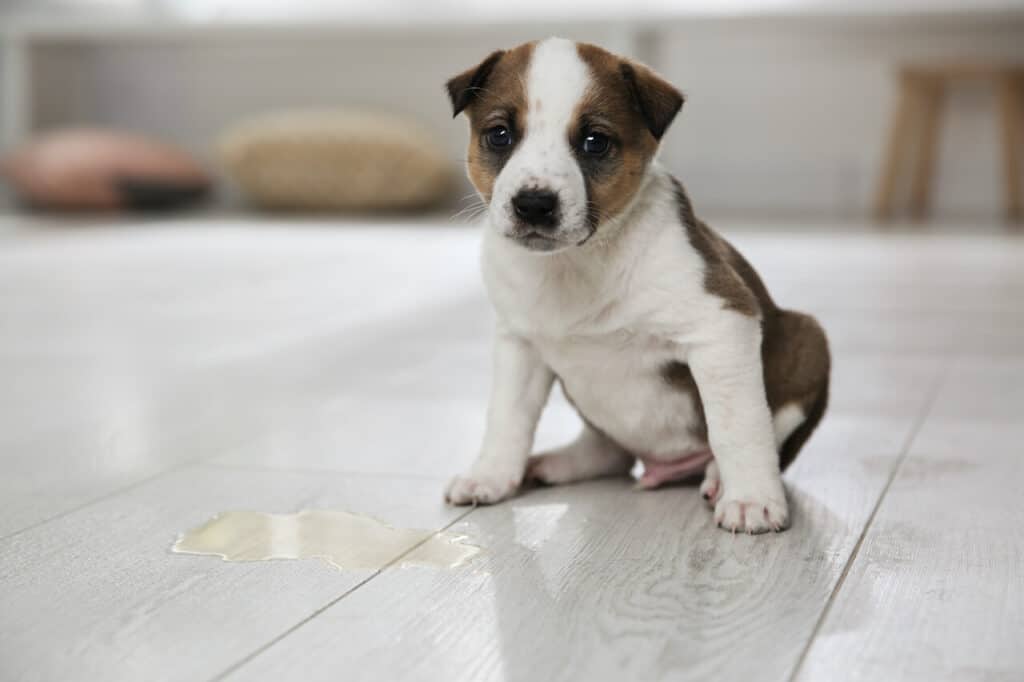
What age do puppies have bladder control. Defecation often occurs within 30 minutes of eating. 🐶 6 month old puppy bladder control? At what age do puppies learn to control their bladder?
Tighten up again and keep going. Medical conditions and birth defects are common culprits. Puppies generally have full bladder control between 4 and 6 months of age.
If you do this, most puppies will gain full bladder control when they’re between 4 and 6 months old. Puppy owners are advised to begin potty training between 3 to 4 months of age. Doctors foster & smith note that dogs use scent to choose places to eliminate, which is how puppy pads work, and that puppies require three to four feedings a day.
To get a good dosage of this medicine as soon as possible e.g., for heartworm medicine. And most puppies will have to poop after meals,. There are many causes of urinary incontinence in dogs, including utis (urinary tract infections), bladder infections, and old age.
If you're wondering at what age does a puppy have bladder control and when your puppy will become housebroken, it's up to a combination of you and nature. It can take some time to figure out what is causing the puppy to have an overactive bladder. As the puppy grows older, they will gain bladder control and learn to hold it longer each day.
This means that there is light at the end of the tunnel—with a little patience, you can teach a puppy to stop peeing in the house. At what age do puppies have full bladder control? Take the age of your puppy in months and add.
Do older dogs lose bladder control? This means that there is light at the end of the tunnel—with a little patience, you can teach a puppy to stop peeing in the house. Puppies' bladders grow and develop as they do, taking about six or seven months to come under full control.
This means that there is light at the end of the tunnel—with a little patience, you can teach a puppy to stop peeing in the house. At what age do puppies stop peeing inside? And with older age comes a few health and behavioral changes.
Most puppies can control their bladder around four to six months of age, although some puppies may gain control as soon as three months, others may take up to nine months. It is important to remember that puppies under 3 months of age typically have limited bladder control and reflexes and need to. General rule of thumb is their age in months +1 is how many hours they can hold it.
Top best answers to the question «when can puppies control their bladder» answered by myra krajcik on sun, jan 31, 2021 4:20 am. So at 4 months, expect about 5 hours, and you wouldn't want to try the full 8 hours until they're 7 months. Up to that point, most puppies can “hold it in” for the same amount of months they are.
If not treated, dog incontinence often gets worse and can result in large amounts of urine being expelled. What age does bladder control being. While not every dog has the same experience as they age, there are a few things that most older dogs can expect.
This means that there is light at the end of the tunnel—with a little patience, you can teach a puppy to stop peeing in the house. Puppies generally have full bladder control between 4 and 6 months of age. 🐶 at what age do puppies have bladder control?
For a labrador, you cannot expect them to have any control until 12 weeks of age, for smaller and toy breeds, this could be as much as 16 weeks old. Puppies generally have full bladder control between 4 and 6 months of age. Probably that means you lightened up on supervision too quickly.
At what age does a puppy have bladder control? A puppy on wandhe prevention is good at preventing heartworm disease (i.e. A two month old puppy can hold his bladder for up to 3 hours.
Urinary incontinence is the inability to control the bladder, resulting in involuntary urine leakage. What age do you start giving dogs heartworm? Very young puppies have very little control over their bowels and bladder.
In severe cases, incontinence in dogs can lead to urine scalding of the skin. At this age, your puppy will be able to hold their. Frequent potty trips will be your new exercise routine during these early stages!
The larger the breed, the quicker the control comes. Puppies generally have full bladder control between 4 and 6 months of age. According to the humane society, a puppy's bladder capacity is approximately one hour for every month of age.
No dog of any age should be made to wait longer than 8 hours! For a labrador, you cannot expect them to have any control until 12 weeks of age, for smaller and toy breeds, this could be as much as 16 weeks old. Puppy owners are encouraged to treat their puppies with heartworm prevention during the age of eight weeks.
Very young puppies have very little control over their bowels and bladder. Urinary and bladder control issues is one of them. Puppies generally have full bladder control between 4 and 6 months of age.
A puppy’s bladder isn’t fully developed until they are an adult. As your puppy ages, you can start to gradually increase the time between these potty breaks. All pup’s are different, just because one is completely potty trained and in full control of pup’s bowel and bladder by say… 4 months, doesnt say another will.
The larger the breed, the quicker the control comes.
Dalmatians are known for their distinct piebald markings. However, their spots don’t appear on their coats until they are about 3 to 4 weeks old.

This Dalmatian puppy has no idea that each one of his
Dalmatians are born without their iconic black spots.
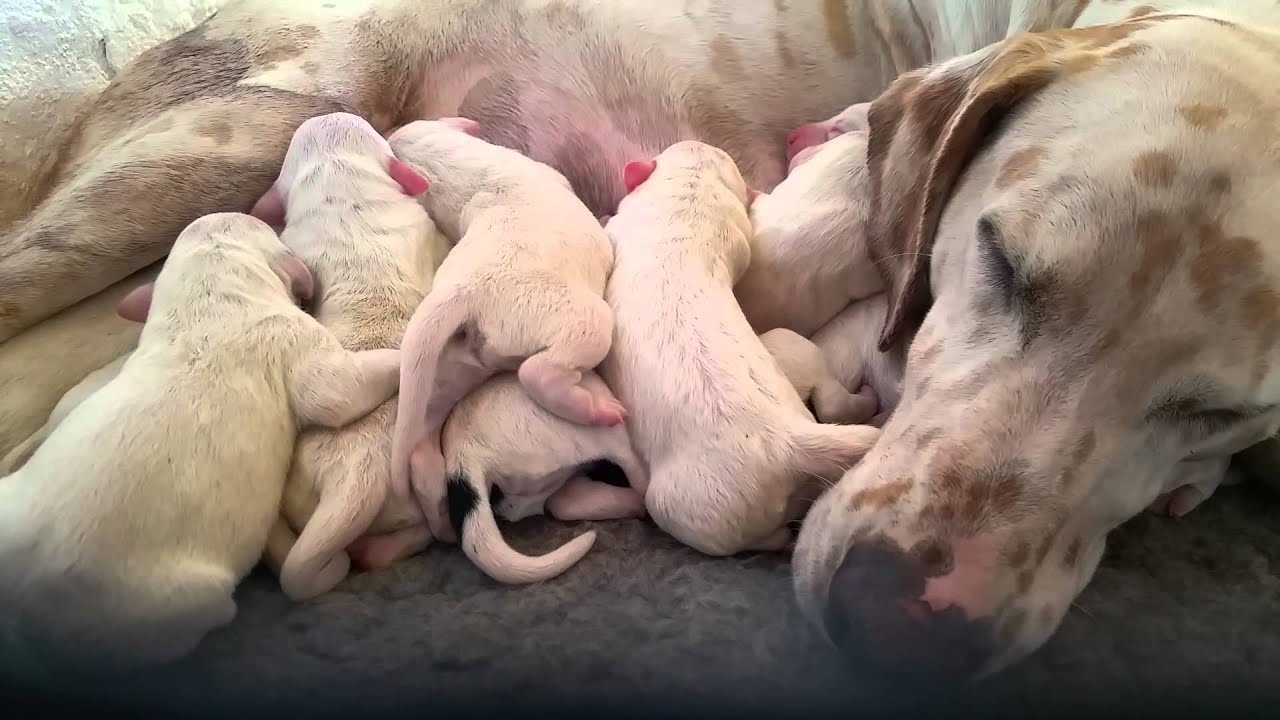
Dalmatian puppies no spots. Only a few days in a breeder can check to assess color, black or liver spotted. Anita correctly tells her that dalmatian puppies are born with pure white coats without their characteristic spots. But in some puppies, a big spot can already be seen at birth.
When do the dalmatians get their spots. Their spots start to develop around 2 to 3 weeks old. If the mother of the dog is all white, then a spotless dalmatian dog with no spots is definitely possible.
So, at what age do dalmatian puppies get their spots? Dalmatian puppies are not born with spots. But since we know exactly how brown spots are inherited, these odds could be easily overcome by breeders who want to pursue liver and white dalmatian puppies!
Just as a snowflake has its own unique structure, so the dalmatian takes spots each with its own size and shape. Dalmatian puppies are born with plain white coats and their first spots usually appear within 10 days; Their coats are snow white, and you might not even think that they belong to the dalmatian breed!
Dalmatian spots start to appear on their fur at around ten days old. Disney cult classic “101 dalmatians” both helped and hurt the breed. But are dalmatians born with spots?
The number and position of spots are actually set from birth, their skin is pigmented black or liver in the positions where the spots will go on to form in the hairs that grow from these skin cells. The dalmatians have a lot of spots, even at the insides of their mouth. Dalmatians have a special affinity towards horses.
Can dalmatians come with no spots? They have no spots at birth. Dalmatian puppies do not have any spots, but yes there might be some adult dalmatian without spots, it would be weird and very rare.
If you've seen “one hundred and one dalmatians,” you may remember that pongo and perdita's 15. In fact, the spots are present at birth but not visible at first. While this might seem unbelievable, dalmatian puppies are born without any visible spots.
Dalmatian puppies have no spots at birth like real dalmatians, they only get their spots as they grow older. It varies, but most puppies begin to get their spots when they're between 10 days and two weeks old, and spots can continue to appear and darken for 18 months. However, spots are present on the puppy’s skin, underneath all that white coat, indicating what will happen in the future.
And while we’re at it, why do dalmatians have spots at all? By the time dalmatian puppies are 4 weeks old, most of their spots will be present, but they will continue to slowly develop spots as they grow and throughout the rest of their lives. Why don t dalmatians have spots when born?
If the spot is located around their eye, we call this a. Dalmatian puppies don't have any spots when they're born. In this guide, i will discuss all the colors i mentioned above.
Dalmatian puppies have no spots at birth. For some dogs, the spots may be scattered, while for others the entire body will be covered in spots. Pongo and perdita had 15 puppies of their own before welcoming into their family 84 more, bringing their total to.you guessed it:
Both black spotted and liver spotted dalmatians are born without spots. In a very rare case, yeah. Is there such a thing as a dalmatian without spots?
However, their usual solution for that is to use spot's beak as a lock pick. Instead, the spots start to develop around 4 weeks of age. As they mature, the spots become more prominent.
Some puppies are born with a patch somewhere else on their body. Dalmatian puppies don't have any spots when they're born. At birth, they have a plain coat, and the spots begin to develop by the time they are two or three weeks old.
Spot is known to be the brains amongst the dalmatians, being able to calculate math problems and have a rough understanding for science. Despite being iconic, many are unaware that dalmatians not only come in black spots but with liver brown spots as well. Dalmatian puppies have no spots at birth like real dalmatians, they only get their spots as they grow older.
Liver dalmatians tend to be somewhat more unusual than black dalmatians. A dalmatian puppy is born completely white. While puppies are actually born with a white coat, their skin is already spotted.
Even cruella at one point has used her beak to do this. Instead, they are born all white and get spots as they get older. By the time they are one month, a majority of the spots develop.
This is usually located at the head and covers and ear and sometimes a part of the head. Blue eyes are rare in dalmatians, and can sometimes be a warning sign for hearing loss, as the gene that causes blue eyes is also associated with deafness. The american kennel club considers these two colors standard while they also recognize white & lemon, white & orange, white, black & tan and white, liver & tan.
Can purebred dalmatians have blue eyes? This is partly because they are genetically less likely than black spotted puppies. Instead, they are born all white and get spots as they get older.
How long does it take for dalmatian puppies to get their spots? There are certain situations when the pups are locked up somewhere; These dogs have been seen all around the world in ancient history.
However, they're born snowy white — without their spots! The easiest way of spotting a dalmatian is undeniably the coat pattern. Spots and black ear on one side of the body, no spots and white ear on the other.
If you’ve ever seen extremely young dalmatian puppies, the first aspect you may notice about them is they have no spots. They are covered in white hair, and don’t actually develop their spots until they are a few weeks old. However, spots may be visible on their skin from birth.
However, they continue to get them as long as they live, though the numbers are comparatively less.