Pecans are toxic to dogs and, if consumed in large quantities, can be fatal. Any potential benefits for dogs are outweighed by the huge risk of toxicity.

Are Tiger Nuts Safe For Dogs? Scholars Ark
Therefore, you should keep pecan nuts out of the reach of your canine friend.
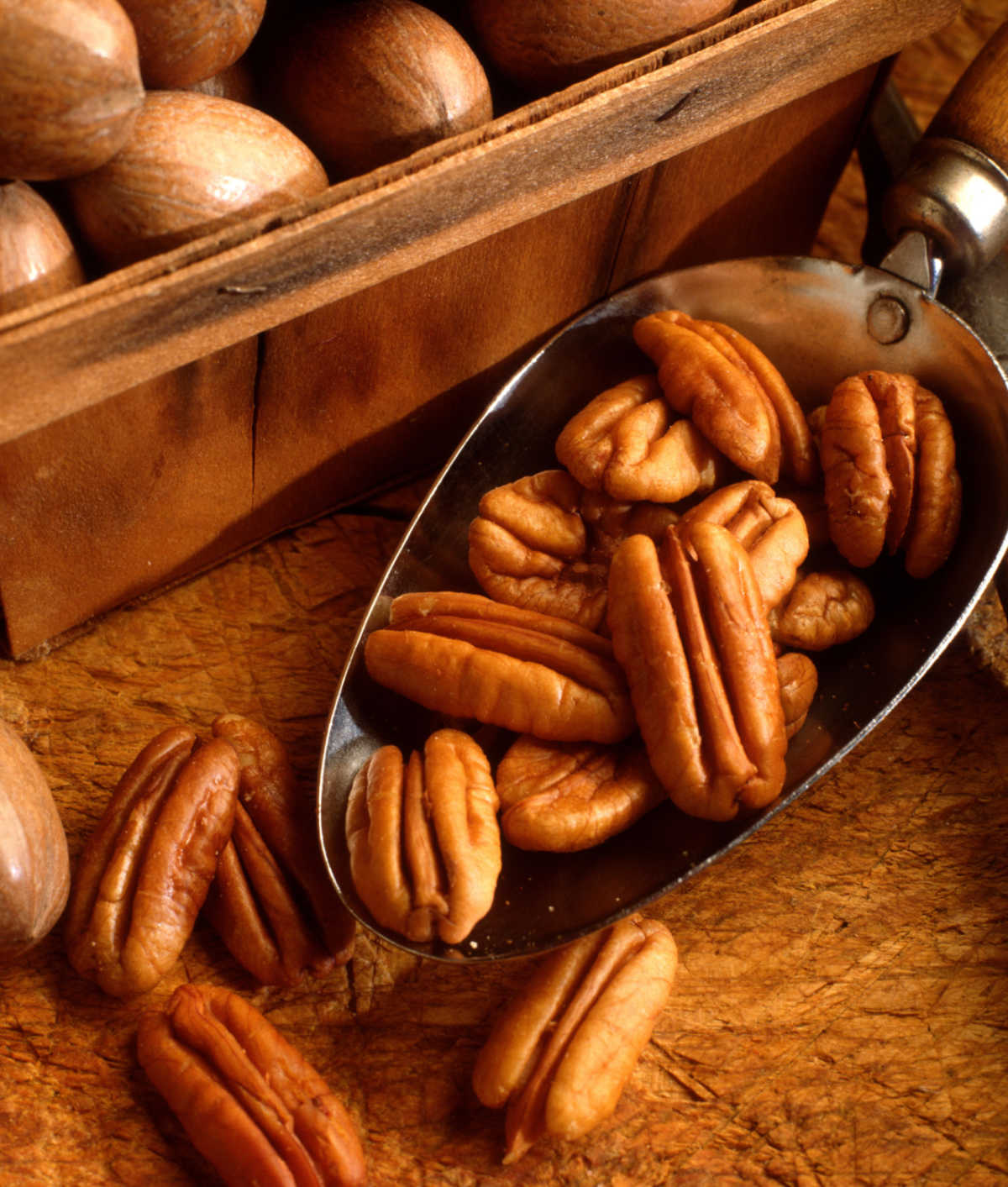
Are pecans safe for dogs. If a dog ate pecans in any great quantity, it would suffer gastric intestinal upset or an obstruction. It’s best to avoid pecans and keep them out of reach of nosy muzzles. Are pecans safe for dogs?
Pecans may also be spiced or seasoned with garlic, onion powder, and other ingredients that are toxic to dogs. Just like people, some foods may be technically safe but still not agree with your. Nuts such as pecans are high in fat and thus can upset your dog’s stomach and cause common gi symptoms such as diarrhea.
Pecans are not safe for your dog and fall into the walnut category of being potentially toxic. Pecans are poisonous to dogs, so they are not allowed to eat them. While dogs can eat pecans safely in limited amounts, it’s best to avoid or severely limit feeding pecans to your dog.
Dogs and pecans are not a good combination. This food, however, is not suitable for dogs. So, you should never give your dog pecans.
This chemical is found in all plant species of the juglandaceae family, including both walnuts and pecans. Are pecans safe for dogs? Pecans are very high in fat
While pecans are the basis for the most comforting of comfort foods, there are a number of issues with the tasty legumes that make them a problematic option for your pet. Owing to the vulnerability of pecans to poisonous molds, its relatively large size and juglone content, eating pecans is considered unhealthy and harmful to dogs (and even horses). Dogs should never eat candy or chocolate.
The best precaution to avoid putting your dog’s life at risk is to keep your pecans as safely as possible in a place where your dog cannot reach them. In this article, we’ll take a look at the reasons that they are potentially harmful and what to do if your dog does eat pecans. Pecans contain a toxin called juglone, which is toxic to dogs.
So even though pecans are great for people to eat, they are not good for your pet. Additionally, you must resist the urge to toss one. While the odd pecan or two hastily scooped up off the floor by an observant pooch is unlikely to do any harm, too many can be toxic for dogs.
Pecans have lots of nutritional benefits for humans, but not for dogs. No, dogs can’t have pecans because these yummy nuts are poisonous to dogs. Why are pecans bad for dogs?
They are native to north america and mexico. And if pecans are sweetened with xylitol, a popular sugar alternative, they can be deadly to your dog. Another nut known to have aflatoxin.
In addition, only one pecan nut is required to create an internal blockage in the body. Dogs that eat too many pecans may experience vomiting, diarrhea, yellowing eyes or gums, and more. Much like walnuts, pecans can be prone to molding, which can create both juglone and aflatoxin.
When it comes to pecans, it’s best not to share them with your pooch—pecans are considered to be toxic to dogs, due to their ability to grow mold and potentially lead to gi distress, intestinal blockages, or other serious symptoms like seizures. The answer to ‘can dogs have pecans?’ is always no. The answer is a big no!
In addition to aflatoxin, pecans also contain juglone, a toxin that can be harmful to dogs and horses. If you notice any decrease in appetite, vomiting, diarrhea, or tremoring, check in with your veterinarian. The former is highly toxic to horses and in dogs can cause seizures and nerve damage.
Generally, your dog should not eat pecans or walnuts. Pecans are harmful to dogs, according to. What nuts are poisonous to dogs?
They may also contain juglone, which could cause convulsions or seizures. These nuts can affect your dog’s liver, can cause bladder stones, and gastrointestinal upset. But what makes pecans toxic to dogs?
Yes, pecans are toxic to dogs. One or two nuts may not be harmful to your dog, but even a tiny number of pecans can be harmful to small breeds. Pecans are generally safe for dogs to eat, outside of the considerations mentioned above.
They contain mycotoxins, which are also known to cause liver damage in dogs. Store them in a place that is impossible for your dog to find. Pecans and dogs do not mix.
Call your vet straight away if your dog eats pecans, pecan shells, or any recipes that contain this ingredient. In particular, aflatoxin poisoning can occur when your dog has eaten too much moldy pecans that contain aflatoxins. It can contain aflatoxin and juglone that can both cause serious health issues to them.
Consuming pecans and other nuts can lead to severe conditions such as pancreatitis, inflammation of the pancreas, or gastroenteritis, which occurs when a dog’s stomach or intestines become inflamed. Black walnuts, english walnuts, and japanese walnuts can contain fungi called tremorgenic mycotoxins which cause vomiting, tremors, and seizures. Firstly, the coating of pecans along with their calorie intensive food value is harmful.
Spotted pup sits in front of illustrated pecans background. Almonds, with or without their shells (or hulls), can be choking hazards for dogs due to their size and shape. Both types of nuts contain a toxin called juglone, which may be harmful to dogs in large quantities.
As dogs love exploring all nooks and crannies, all cupboards and cabinets within your pet’s reach are surely unsafe. Moreover, juglone in pecan can be very toxic to dogs and lead to great health risks. Other food that you may provide to your dog without putting him in danger are plenty.
Meanwhile, aflatoxin can cause liver disease in high enough doses. Call your vet straight away if your dog eats pecans, pecan shells, or any recipes that contain this ingredient. If your dog does eat some pecans, be sure to monitor your dog closely.
In fact, there are many nuts your dogs should avoid and pecan is one of them.