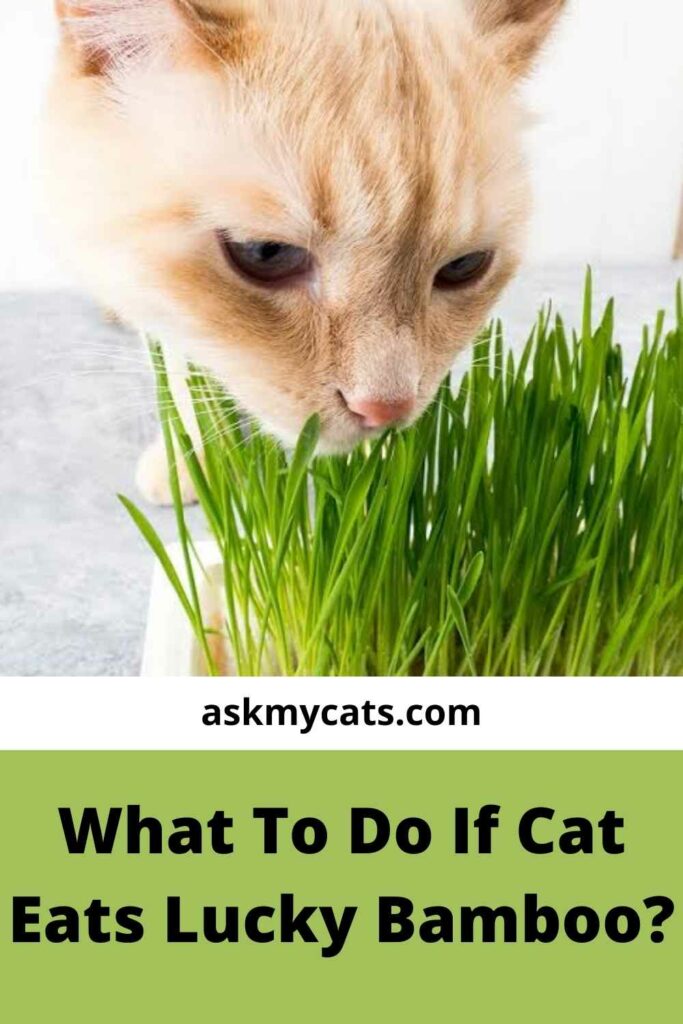
15 Human Foods That Are Poisonous. While very few foods are toxic to cats, some foods, like chocolate, are truly poisonous. If your cat has ingested one of.
15 Human Foods That Are Poisonous from nationalkitty.com
While very few foods are toxic to cats, some foods, like chocolate, are truly.
If ingested, it causes dilated pupils, abdominal pain,. Generally, cats are curious by nature which leads.
Are Bamboo Plants Toxic To Cats
True bamboo can be eaten by cats, but there is confusion because some plants that contain the term bamboo aren’t actually bamboo.
Lucky bamboo toxic cats. How much lucky bamboo she eats will determine the cat’s reaction. Is lucky bamboo poisonous to dogs?;for true bambusoideae species of bamboo, it is non toxic to dogs, cats, and horses. Its proper name is dracaena sanderiana, and has very similar looking stork and stems to regular bamboo.
If your cat has ingested lucky bamboo, it may lead to mild to moderate symptoms, like drooling, vomiting, abdominal pain, or diarrhea, according to pet poison helpline. Is lucky bamboo poisonous to cats? On the other hand, lucky bamboo, being part of the dracaena genus is said to be toxic to your pet cats or any household pets you may have.
• the lucky bamboo is also not actually a very lucky bamboo, also but it is a type of a lucky flowering plant which is also known as (dracaena sanderiana). Is lucky bamboo poisonous to cats? Also known by its scientific name — dracaena spp, lucky bamboo contains steroidal saponins, which can be harmful to cats.
The lucky bamboo is considered ☠ toxic ☠ to both cats and dogs symptoms of lucky bamboo poisoning include incoordination, weakness, vomiting, abdominal pain, diarrhea, drooling and dilated pupils it’s important to remember that any plant may cause vomiting and gastrointestinal upset in cats and dogs, and those with large leaves can be a choking hazard. Lucky bamboo is not toxic to humans, however. You may notice these symptoms if your cat has eaten some lucky bamboo:
Dracaena sanderiana is toxic to cats since it has steroidal saponins whose ingestion will cause symptoms such as drooling, vomiting, diarrhea, weakness, abdominal pain, incoordination, and dilated pupils. Is lucky bamboo poisonous to cats? Symptoms of lucky bamboo toxicity in cats.
Can my cat die from eating lucky bamboo? An alternative way is to make sure cats are repelled by it to keep them safe. In addition to incoordination, weakness, vomiting, abdominal pain, diarrhea, and dilated pupils, your fur babies may also consume it.
Is lucky bamboo poisonous to humans? Although lucky bamboo is not toxic to. It’s an imitation plant that is used widely to increase feng shui.
The answer is yes for lucky bamboos being lethal to cats. Lucky bamboo is toxic to cats, therefore, and should not be eaten by felines at all. However, some plants such as the lucky bamboo and sacred bamboo can be highly toxic to cats, especially the shoots.
According to the aspca, lucky bamboo is poisonous to cats. Is lucky bamboo plant poisonous? If consumed by your fur babies it can cause incoordination, weakness, vomiting, abdominal pain, diarrhea, drooling and dilated pupils.
• some of the lucky bamboo are also called as house plants that are some how toxic and also some are not toxic to the humans and animals. The aspca’s poison control center has classified lucky bamboo as a hazardous chemical. Although lucky bamboo is not toxic to.
As stated in the intro: Unfortunately, lucky bamboo is toxic to cats. If consumed by your fur babies it can cause incoordination, weakness, vomiting, abdominal pain, diarrhea, drooling and dilated pupils.
Signs and symptoms your cat has ingested lucky bamboo. No, believe it or not, lucky bamboo has no relation to real bamboo at all. This means, if a cat has a nibble of a bamboo leaf,.
All parts of the lucky bamboo plant are poisonous for the cats and if your cat ends up chewing on them, it may have to suffer from mild to moderately serious symptoms like stomach pain, vomit, drooling, appetite loss, etc. • the lucky bamboo can also be very toxic for cats and the dogs. Lucky bamboo is poisonous to cats and shouldn’t be eaten.
Lucky bamboo is not toxic to humans, however. Lucky bamboo is toxic for cats and dogs, so make sure to keep it out of reach. Many people mistakenly believe that it is a true bamboo plant.
Are lucky bamboo plants toxic? It is not safe for cats, dogs, or other animals to consume. Lucky bamboo is toxic for cats and dogs, so make sure to keep it out of reach.
It is toxic to cats and dogs, so keep it away from them. Effects of toxic bamboo on cats Because the two varieties of bamboo can appear similar, it's best to either consult your veterinarian if you're worried that your bamboo is toxic or leave it out of your home altogether, just to be safe.
You always want to make sure your lucky bamboo plant is out of reach. Two of the most common are heavenly bamboo, also called sacred bamboo, and lucky bamboo, which may also be known as corn plant, cornstalk plant, or a money tree. Cats may become quite ill if they consume lucky bamboo.
The cat’s symptoms will depend on how much of the plant she’s eaten. If consumed by your fur babies it can cause incoordination, weakness, vomiting, abdominal pain, diarrhea, drooling and dilated pupils. Yes, lucky bamboo (dracaena spp) is toxic to cats.
So it is best to keep guard of your pets especially if it tends to be playful and could gnaw on things like plants. Even in people, this is known to produce. Is bamboo poisonous to cats?
According to the aspca dracaena sanderiana (lucky bamboo or ribbon plant) can be harmful to cats. Lucky bamboo is toxic for cats and dogs, so make sure to keep it out of reach. Cats who ingest lucky bamboo will show signs of depression, no appetite, drooling, vomiting, incoordination and weakness.
It is toxic to cats and dogs, so keep it away from them. Lucky bamboo is not toxic to humans, however. Indeed, we cannot control where our feline pals roam around in our house.
The most popular are lucky bamboo and heavenly bamboo. So if you suspect your cat may have ingested your lucky. Lucky bamboo is poisonous to cats.
In addition to incoordination, weakness, vomiting, abdominal pain, diarrhea, and dilated pupils, your fur babies may also consume it. Lucky bamboo is poisonous to cats. Is lucky bamboo toxic to cats?
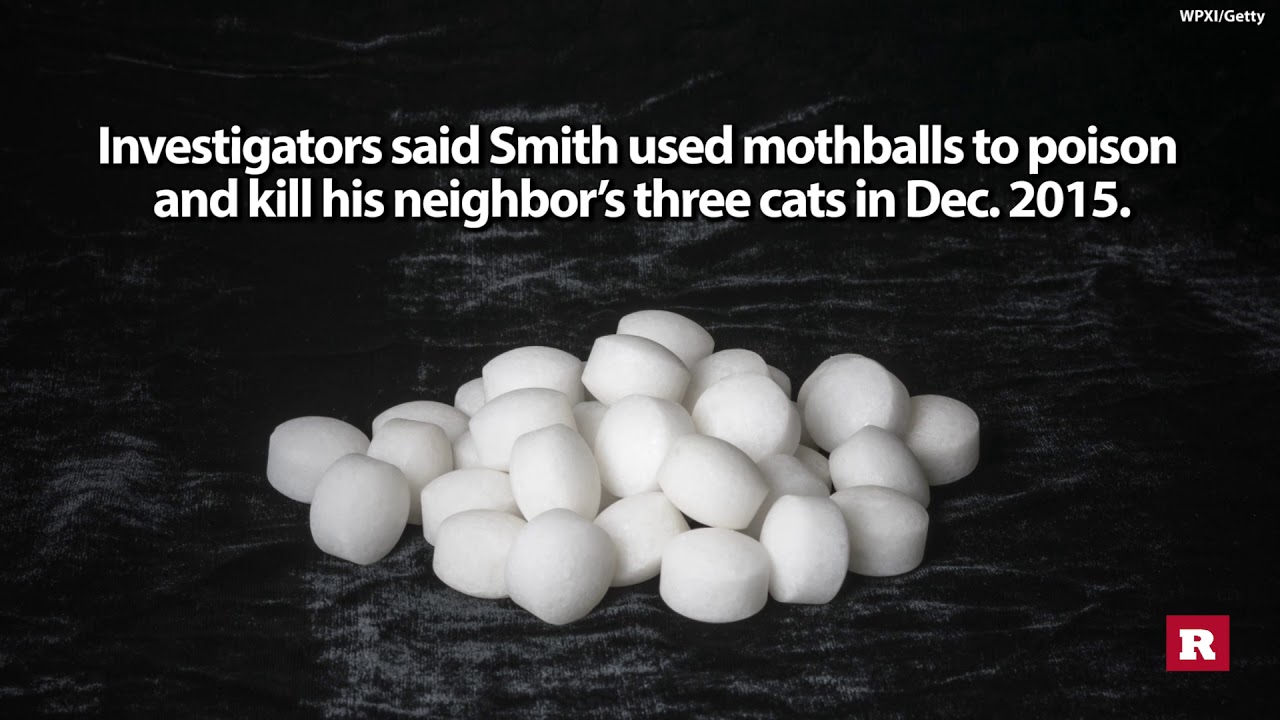
Mothball poisoning and toxicity can happen due to the naphthalene and. Cats are more sensitive to their toxic effects, but dogs are more likely to ingest mothballs due to their curious nature.
Are Mothballs Toxic to Dogs? Dogable
What can mothballs do to a dog?
Mothballs toxic to dogs. Why are mothballs toxic to dogs? Cats are more sensitive to their toxic effects, but dogs are more likely to ingest mothballs due to their curious nature. Cats are more sensitive to their toxic effects, but dogs are more likely to ingest mothballs.
Toxicity from naphthalene and paradichlorobenzene is most dangerous with ingestion, but documentation shows that inhalation of vapors and dermal exposure can cause serious effects and irritation. Mothballs contain a high concentration of insect repellent. Mothballs are so toxic that even the fumes are also poisonous to dogs.
Will mothballs keep dogs out of flower beds? Due to concern for naphthalene s flammability & toxicity. Mothballs contain a high concentration of insect repellent.
If you smell mothballs, you are being exposed to these chemicals. What makes mothballs poisonous for dogs? Help, my dog ate mothballs, are mothballs toxic to dogs?
The ingestion of mothballs, which come as flakes, tablets, crystals, bars, and balls, can be appealing to dogs due to the odor that they emit and the curious nature of our pets. Mothballs contain a high concentration of insect repellent. Older mothballs most commonly contain naphthalene.
Are mothballs toxic to dogs? Cats are more sensitive to their toxic effects, but dogs are more likely to ingest mothballs due to their curious nature. Toxicity most commonly occurs when cats or dogs ingest improperly stored mothballs.
According to the national pesticide information center (npic), the chemicals use in mothballs can be toxic to humans and pets and as people are exposed to these chemicals that are released as toxic fumes in the air space of the home. Ingestion of naphthalene mothballs can cause gastrointestinal upset and less frequently, anemia, neurologic signs, and kidney or liver damage. As we discussed previously, when mothballs are improperly used and are not placed within an airtight, sealed container, the.
4.7/5 ( 33 votes ) mothballs contain a high concentration of insect repellent. Both are moderately toxic to dogs, although dogs rarely ingest either because the smell and taste of both chemicals is not attractive to dogs. Poisoning most commonly occurs when dogs ingest mothballs.
The acute oral ld50 of naphthalene in the dog is approximately 400 mg/kg bw, while that of paradichlorobenzene is 500 mg/kg bw. Mothballs contain a high concentration of insect repellent. Camphor ingestion results in central nervous system poisoning where a dog can become agitated and develop seizures.
Perhaps the most toxic commonly found mothball ingredient is camphor. Dogs are more prone to swallowing a mothball than cats. Yes, mothballs are toxic to dogs and other household pets.
Cats are more sensitive to their toxic effects, but dogs are more likely to ingest mothballs due to their curious nature. Children or pets sometimes mistake mothballs for food or candy and eat them, which can cause serious effects. Cats are more sensitive to their toxic effects, but dogs are more likely to ingest mothballs.
Ingestion of naphthalene mothballs can cause anemia, lethargy, vomiting, and sometimes kidney or liver damage. are mothballs toxic to dogs or cats? Mothballs may act as a deterrent to stop some dogs from digging, but they are toxic to dogs and should not be left in a place where a dog can access them. People are exposed to the chemicals in mothballs by inhaling the fumes.
If you have mothballs in your home, you need to know what makes them toxic and what to do if your pet comes into contact with them. Do dogs like moth balls? Poisoning most commonly occurs when dogs ingest mothballs.
Mothballs contain a high concentration of insect repellent. It is also possible for them to be ingested by unsuspecting young children who. Poisoning most commonly occurs when dogs ingest mothballs.
Are mothballs dangerous to cats and dogs? Mothballs contain a high concentration of insect repellent. Most cases of mothball poisoning in pets involve ingestion, but exposure to fumes or skin contact with mothballs can also have a toxic effect.
Poisoning most commonly occurs when dogs ingest mothballs. Poisoning most commonly occurs when dogs ingest mothballs. Are mothballs toxic to dogs and cats?
Cats are more sensitive to their toxic effects, but dogs are more likely to ingest mothballs due to their curious nature. Instead, find a repellant that isn’t potentially harmful to your pet. Why are mothballs toxic to dogs?
The chemicals in mothballs are toxic to humans and pets. Mothballs contain a high concentration of insect repellent. The mothball can even be toxic if your dog doesn’t ingest it as it has very strong fumes.
The smell of mothballs contains naphthalene or pdb, both of them are toxic materials, and long exposure to them or, if digested, could cause them serious health risks. Poisoning most commonly occurs when dogs ingest mothballs. Poisoning most commonly occurs when dogs ingest
Mothballs are toxic to dogs simply because they contain a powerful insecticide. Mothballs are toxic to dogs. Yes, the smell of mothballs is harmful to dogs to some extent.
While cats are more sensitive to the mothballs’ toxic effects, dogs are more likely to ingest something as unpalatable as a mothball. Mothballs are generally composed of naphthalene or paradichlorobenzene. Not only this but mothballs can also be harmful to humans, especially if you are exposed to the fumes long term.
Why are mothballs toxic to dogs and cats? Is the smell of mothballs harmful to dogs?
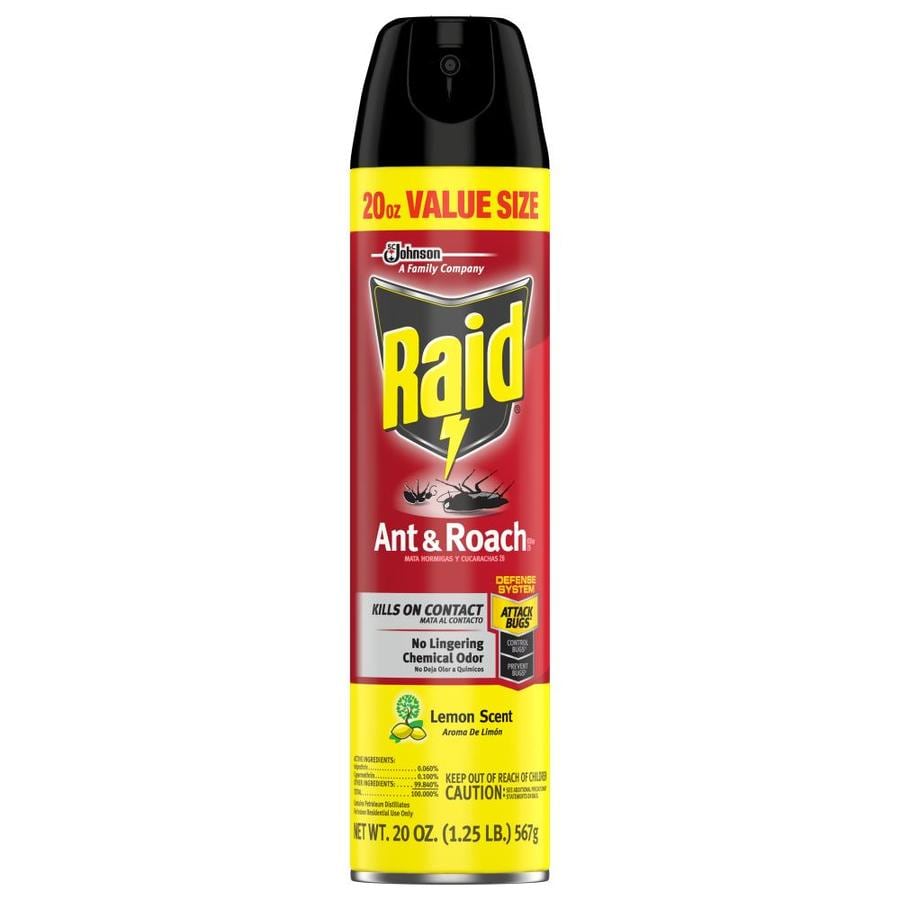
Raid ant & roach 17 under the federal insecticide. In any case, in addition to being able to kill bugs, raid is also highly toxic to fish and aquatic invertebrates.
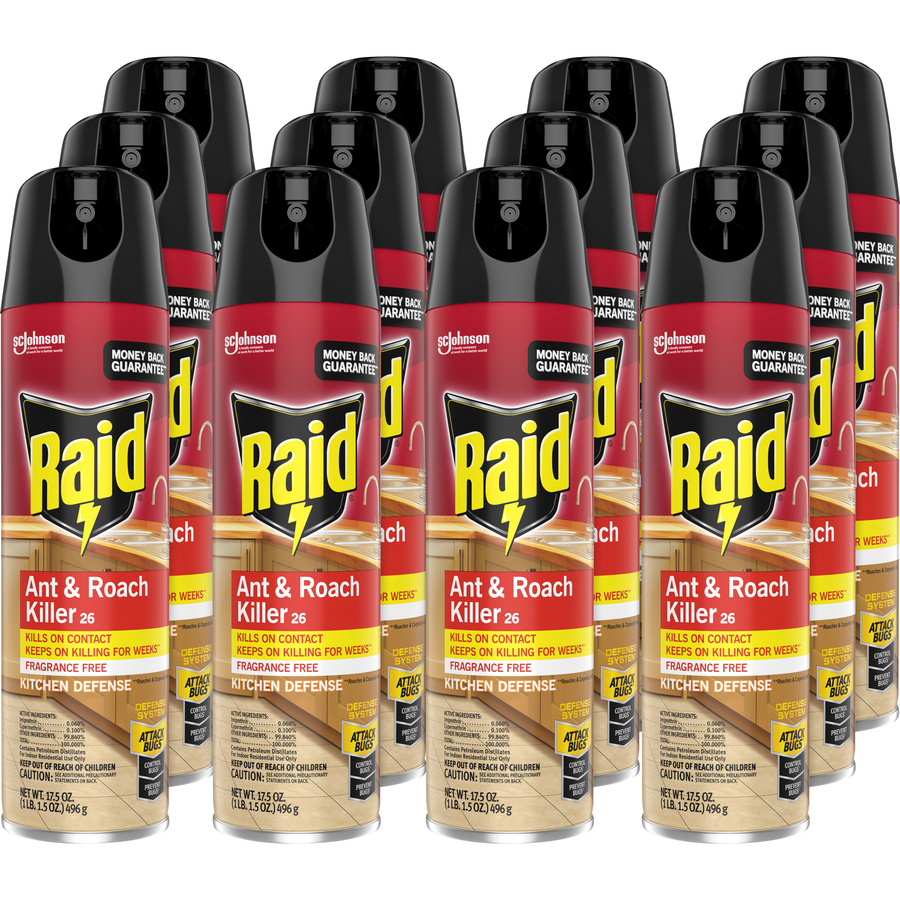
Raid Ant/Roach Killer Spray
Ant poison itself is usually designed not to be toxic to animals, precisely because pets could ingest the.
Raid ant killer toxic. The combination of all of them can very much be toxic. Raid ant killer powder version 1.0 print date 28.07.2014 revision date 04.03.2014 specification number: Raid max double control ant baits has two types of food to attract and kill ants.
Raid aiit killer 17 as amended, for the peatlcide kaid ant killer i/ regtotered under. Is raid ant killer toxic to cats? Raid should be avoided by cats:
They may also have an allergic reaction to it if their skin comes in contact with it. Refer to iata/icao dangerous goods regulations for detailed instructions when shipping this item by air. It can also affect the central nervous system in high doses.
Regulatory information global chemical inventories What does ant killer do to ants? If you suspect that your pet has ingested raid or is having an allergic reaction on their skin, contact your.
Insects (alas, even bees) are especially toxic to both pesticides, but they are supposed to be among the least lethal pesticides for mammals. Raid ant + roach killer 26. It can also cause an asthma attack and wheezing.
Imiprothrin and cypermethrin, the active ingredients that make up 0.1 percent of raid ant & roach spray, are pyrethroids, which are synthetic insecticides. You can suffer effects from mild irritation to severe illness if you mishandle your raid products. Raid® ant baits kills ants where they hide for up to three months.
What has the power to kill insects can also negatively affect your health, though. Raid ant and roach spray will help you protect your home and family from pests, with no compromise between safety and efficacy. Just so, is raid ant killer safe for humans?
Ant killer sprays kill on contact, but only about 20% of an ant colony will venture outside. Raid ant & roach killer 27 spray (880) with essential oils is specially formulated to quickly kill ants, roaches, and over 20 household pests while being safe to use around kids and house pets. Cats’ livers cannot process pyrethrin fast enough to prevent it from dying.
Raid spray can kill a variety of pests including fleas and cockroaches while preventing the occurrence of more. Depending on the specific ingredients in a pesticide, it can be harmful to humans and pets. After ants feed on the bait, they return to the colony and transfer the bait to other ants, thereby killing the entire colony.
Beside this, are raid ant baits safe? It quickly kills german roaches and ants (except fire and harvester). Although products such as raid are advertised as relatively safe to humans (when used as intended), the act of huffing, smoking, or injecting raid or other bug sprays can cause irreversible neurological damage, or even death.
Raid ant & cockroach killer version 1.0 print date 31.07.2014 revision date 04.03.2014 specification number: Raid® ant and roach killer kills spiders. Raid is toxic to pets only if your pet ingests it.
Yet, when you use insecticides to fight against roaches and fire ants, you may kill many beneficial and harmless insects. Safe for use in the kitchen, and around children and pets, when used as directed. Is raid spray toxic to dogs?
Like most other flea and roach bombs made by the company, you should expect to wait at least two hours prior to going back in. Pyrethrins and pyrethroids are highly toxic to insects, honeybees and fish. Raid ant and roach kills different types of ants, roaches, and other crawling and flying insects.
Print date 06/23/2008 revision date 04/11/2008 msds number 350000009774 7/8 iata/icao package criteria. Raid® ant & cockroach killer version 2.0 print date 20.10.2017 revision date 25.03.2015 specification number: Raid max no mess dry fogger.
Raid ant & roach killer 17 epa reg. What are the side effects of raid ant and roach spray? Raid exterminator flea and cockroach bomb.
This slow kill gives the worker ants enough time to make multiple trips to the bait and share it with the colony and queen. It is made with lemongrass extract, geraniol synthesized from pine trees. Does raid attract more ants?
Have you ever considered that while you proceed against insects you don’t like, you may inflict harm on yourself by killing beneficial insects like butterflies, bees, and spiders? Is raid ant killer poisonous to dogs? Besides, as we have established, those aren’t the only potentially harmful ingredients that go into commercial insecticides.
This requires almost no wait time, but still should be used with care around kids and pets. Although products such as raid are advertised as relatively safe to humans the effects of inhaling raid ant & roach spray accidentally can cause irritation to the nose, throat and lungs. Is raid ant killer spray safe for pets?
Raid ant and roach killer 27 quickly kills ants and roaches. Raid uses ingredients like pyrethroids, cypermethrin, imiprothrin, and pyrethrin. The national library of medicine’s toxicology data network reports that at the time of exposure, cypermethrin — one of two active ingredients in raid ant & roach spray — can cause shortness of breath, coughing and congestion.
A natural ant spray made with nontoxic ingredients is the best way to kill ants and keep your family, kids and pets. Raid is not toxic to your dog or cat unless they ingest it. 30000000000000006519.001 2/10 warning active ingredients (bpr) deltamethrin 0.05% (0.05g/100g) hazard statements (h410) very toxic to aquatic life with long lasting effects.
Population reduction can be expected within days, with the baits working for up to 3. That’s why you have to cover any aquariums you have in the rooms you’re treating. Pesticides like raid can be harmful to humans and pets.
Borax, sodium tetraborate decahydrate, according to one study, is not acutely toxic.
In general, if it were harmful, i’d have been dead years ago. But, the bacteria dies when the saliva dries, unless it has been transmitted to another host (i.e.
Is Cat Saliva Toxic toxoplasmosis
Domestic or feral cat attack.
Is cat saliva toxic. Cats, dogs gerbils, humans…all mammals… carry a type of bacteria in their bodies that is referred to as “gram negative” bacteria. The most vulnerable birds, and those that account for more than half of the cat attacks each year, are the babies or fledglings. Saliva is dangerous for parrots.
If you get bitten by a. Some say components in their saliva are actually healing. Scientists in the us discovered that when mice detect specific proteins found in cat saliva and rat urine they react with fear.
There are four important exposure points through which cats can spread diseases to humans (feces, bites and saliva, contact with skin or fur, and scratches). Human saliva in particular isn’t toxic. Suffering or death from extreme heat or cold.
There’s also the fact that dogs and cats are predator animals and could potentially harm a pet bird. Cats , rats and other predators produce a chemical signal that terrifies mice, according to new research. There have recently been a few cases of people becoming sick after being licked by a pet but they are rare.
They can overdo it and remove hair and skin. This means that birds and dogs or cats sharing food is a big problem. (only 47 cases were reported between 1990 and 2005), and most of those cases are attributed to bites from wild animals such as bats and raccoons.
However, routine veterinary care and simple sanitary practices can reduce fears that your pet’s lick is a family health risk. Also, saliva, in general, contains antibacterial compounds. (only 47 cases were reported between 1990 and 2005), and most of those cases are attributed to bites from wild animals such as bats and raccoons.
Is pet saliva a health hazard or benefit? This is what gives a cat that nutty, sweet smell. The saliva of a cat contains some harmful bacteria.
Accordingly, is cat saliva toxic to rodents? To help reduce the risk of catching a zoonotic disease, cat owners should wash hands after handling cats or their litter boxes and avoid injuries from scratches and bites. And it can make your rats and birds sick and even dead.
It is found in the bodily secretions of many animals, such as tears and saliva. Is cat saliva harmful to humans? Cats carry a bacteria in their mouth called pasteurella.
This is why you see animals licking wounds to assist in the healing process. However, considering that saliva from humans and mammals in general contains bacteria which can cause your pet bird to have infections, it would be unwise to encourage contact between your pet bird and your saliva, more so by kissing your pet bird, sharing food through the mouth, or pecking your pet bird. He doesn't care, she said of her husband of 15 years.
The dangers of mammalian saliva. All cats can benefit from a proper groom from a professional. Saliva contains bacteria that can cause serious infections if a cat bites you.
Also, all that self grooming, swallowing hair and debris, results in hair balls barfed up on your carpet. Cat saliva deposited on their coat is what makes up the dander that people are allergic to. Cat saliva will also contain bacteria that may be harmful to humans.
Cats , rats and other predators produce a chemical signal that terrifies mice, according to new research. (only 47 cases were reported between 1990 and 2005), and most of those cases are attributed to bites from wild animals such as bats and raccoons. Scientists in the us discovered that when mice detect specific proteins found in cat saliva and rat urine they react with fear.
He would touch any dog; But in rare cases, the bacteria can poison the blood and cause death. Hereof, is cat saliva toxic to rodents?
Cats have extremely potent viral poisons in their saliva that are toxic to rabbits or any small animal. Please don't let a cat lick your rat even when they are friends. However, it also has antibacterial properties.
The second concern of that video is less well known to many bird owners and the topic of this post: One puncture wound or scratch can overwhelm a rabbit with infection and eventually kill him if left untreated. Capnocytophaga canimorsus is a bacteria commonly found in dogs and cats.
Cat saliva can carry a bacteria that is especially toxic against birds. It's present in the saliva of most healthy dogs and is usually not harmful to humans. They bathe themselves and it kills the bacteria.
The bacteria in a cat’s saliva combined with the paper thin skin of bird means that contact with even the most “gentle” of cats could lead to a deadly outcome for the bird. Cat saliva contains the following: Birds shouldn’t be getting near cat or dog saliva.
It also contains a protein that is thought to be the reason many people are allergic to cats. As cute as those videos might seem, this actually puts the bird in danger. Thankfully, rabies in people is very rare in the u.s.
Is cat saliva toxic to parrots? The saliva of a cat is dangerous in some situations. Cats, rats and other predators produce a chemical signal that terrifies mice, according to new research.
Scientists in the us discovered that when mice detect specific proteins found in cat saliva and rat urine they react with fear. Is cat saliva harmful to humans? The vomeronasal organ contains neurons that detect these chemical signals.
Thankfully, rabies in people is very rare in the u.s. Cat saliva is poisonous and antibacterial (most prey they bite die from shock because of the saliva, not the bite!) and this is why cats do not smell. Cat saliva is extremely dangerous to birds and rodents.
A cat owner has cat spit all. Similarly, is cat saliva toxic to rodents? The answer is probably both.
Thankfully, rabies in people is very rare in the u.s.