Mothball poisoning and toxicity can happen due to the naphthalene and. Cats are more sensitive to their toxic effects, but dogs are more likely to ingest mothballs due to their curious nature.

Are Mothballs Toxic to Dogs? Dogable
What can mothballs do to a dog?
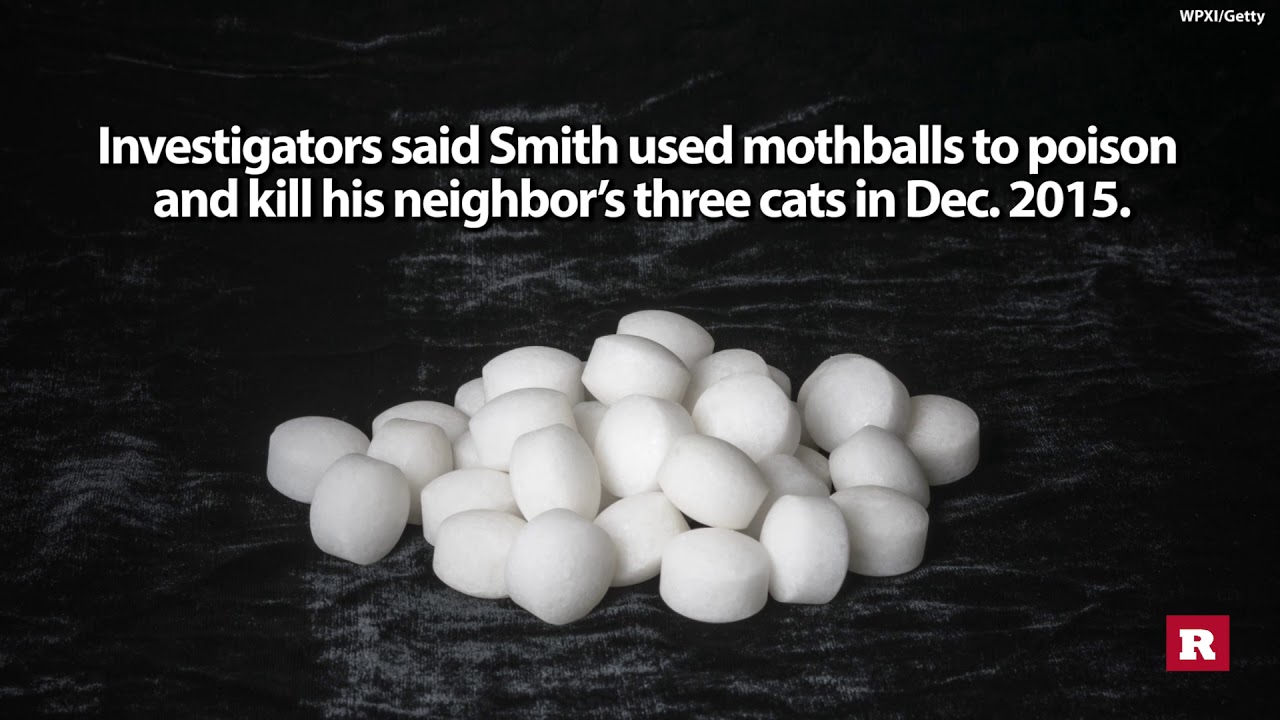
Mothballs toxic to dogs. Why are mothballs toxic to dogs? Cats are more sensitive to their toxic effects, but dogs are more likely to ingest mothballs due to their curious nature. Cats are more sensitive to their toxic effects, but dogs are more likely to ingest mothballs.
Toxicity from naphthalene and paradichlorobenzene is most dangerous with ingestion, but documentation shows that inhalation of vapors and dermal exposure can cause serious effects and irritation. Mothballs contain a high concentration of insect repellent. Mothballs are so toxic that even the fumes are also poisonous to dogs.
Will mothballs keep dogs out of flower beds? Due to concern for naphthalene s flammability & toxicity. Mothballs contain a high concentration of insect repellent.
If you smell mothballs, you are being exposed to these chemicals. What makes mothballs poisonous for dogs? Help, my dog ate mothballs, are mothballs toxic to dogs?
The ingestion of mothballs, which come as flakes, tablets, crystals, bars, and balls, can be appealing to dogs due to the odor that they emit and the curious nature of our pets. Mothballs contain a high concentration of insect repellent. Older mothballs most commonly contain naphthalene.
Are mothballs toxic to dogs? Cats are more sensitive to their toxic effects, but dogs are more likely to ingest mothballs due to their curious nature. Toxicity most commonly occurs when cats or dogs ingest improperly stored mothballs.
According to the national pesticide information center (npic), the chemicals use in mothballs can be toxic to humans and pets and as people are exposed to these chemicals that are released as toxic fumes in the air space of the home. Ingestion of naphthalene mothballs can cause gastrointestinal upset and less frequently, anemia, neurologic signs, and kidney or liver damage. As we discussed previously, when mothballs are improperly used and are not placed within an airtight, sealed container, the.
4.7/5 ( 33 votes ) mothballs contain a high concentration of insect repellent. Both are moderately toxic to dogs, although dogs rarely ingest either because the smell and taste of both chemicals is not attractive to dogs. Poisoning most commonly occurs when dogs ingest mothballs.
The acute oral ld50 of naphthalene in the dog is approximately 400 mg/kg bw, while that of paradichlorobenzene is 500 mg/kg bw. Mothballs contain a high concentration of insect repellent. Camphor ingestion results in central nervous system poisoning where a dog can become agitated and develop seizures.
Perhaps the most toxic commonly found mothball ingredient is camphor. Dogs are more prone to swallowing a mothball than cats. Yes, mothballs are toxic to dogs and other household pets.
Cats are more sensitive to their toxic effects, but dogs are more likely to ingest mothballs due to their curious nature. Children or pets sometimes mistake mothballs for food or candy and eat them, which can cause serious effects. Cats are more sensitive to their toxic effects, but dogs are more likely to ingest mothballs.
Ingestion of naphthalene mothballs can cause anemia, lethargy, vomiting, and sometimes kidney or liver damage. are mothballs toxic to dogs or cats? Mothballs may act as a deterrent to stop some dogs from digging, but they are toxic to dogs and should not be left in a place where a dog can access them. People are exposed to the chemicals in mothballs by inhaling the fumes.
If you have mothballs in your home, you need to know what makes them toxic and what to do if your pet comes into contact with them. Do dogs like moth balls? Poisoning most commonly occurs when dogs ingest mothballs.
Mothballs contain a high concentration of insect repellent. It is also possible for them to be ingested by unsuspecting young children who. Poisoning most commonly occurs when dogs ingest mothballs.
Are mothballs dangerous to cats and dogs? Mothballs contain a high concentration of insect repellent. Most cases of mothball poisoning in pets involve ingestion, but exposure to fumes or skin contact with mothballs can also have a toxic effect.
Poisoning most commonly occurs when dogs ingest mothballs. Poisoning most commonly occurs when dogs ingest mothballs. Are mothballs toxic to dogs and cats?
Cats are more sensitive to their toxic effects, but dogs are more likely to ingest mothballs due to their curious nature. Instead, find a repellant that isn’t potentially harmful to your pet. Why are mothballs toxic to dogs?
The chemicals in mothballs are toxic to humans and pets. Mothballs contain a high concentration of insect repellent. The mothball can even be toxic if your dog doesn’t ingest it as it has very strong fumes.
The smell of mothballs contains naphthalene or pdb, both of them are toxic materials, and long exposure to them or, if digested, could cause them serious health risks. Poisoning most commonly occurs when dogs ingest mothballs. Poisoning most commonly occurs when dogs ingest
Mothballs are toxic to dogs simply because they contain a powerful insecticide. Mothballs are toxic to dogs. Yes, the smell of mothballs is harmful to dogs to some extent.
While cats are more sensitive to the mothballs’ toxic effects, dogs are more likely to ingest something as unpalatable as a mothball. Mothballs are generally composed of naphthalene or paradichlorobenzene. Not only this but mothballs can also be harmful to humans, especially if you are exposed to the fumes long term.
Why are mothballs toxic to dogs and cats? Is the smell of mothballs harmful to dogs?

47 Cool Are Mothballs Harmful To Dogs insectza

84 Cool Are Mothballs Toxic To Dogs Insectpedia

Mothballs & Your Pet Animal Poisons Centre

84 Cool Are Mothballs Toxic To Dogs Insectpedia

84 Cool Are Mothballs Toxic To Dogs Insectpedia