Puppies generally have full bladder control between 4 and 6 months of age. Time increases an hour per month of age.

Dog Urinary Incontinence Causes and Treatment
This means that there is light at the end of the tunnel—with a little patience, you can teach a puppy to stop peeing in the house.
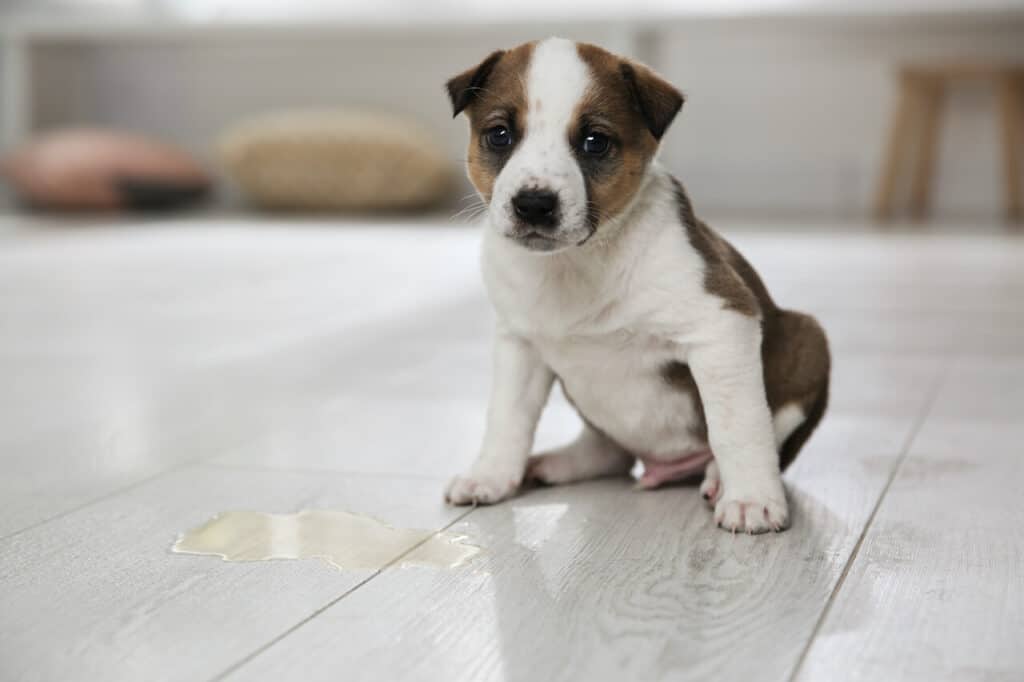
What age do puppies have bladder control. Defecation often occurs within 30 minutes of eating. 🐶 6 month old puppy bladder control? At what age do puppies learn to control their bladder?
Tighten up again and keep going. Medical conditions and birth defects are common culprits. Puppies generally have full bladder control between 4 and 6 months of age.
If you do this, most puppies will gain full bladder control when they’re between 4 and 6 months old. Puppy owners are advised to begin potty training between 3 to 4 months of age. Doctors foster & smith note that dogs use scent to choose places to eliminate, which is how puppy pads work, and that puppies require three to four feedings a day.
To get a good dosage of this medicine as soon as possible e.g., for heartworm medicine. And most puppies will have to poop after meals,. There are many causes of urinary incontinence in dogs, including utis (urinary tract infections), bladder infections, and old age.
If you're wondering at what age does a puppy have bladder control and when your puppy will become housebroken, it's up to a combination of you and nature. It can take some time to figure out what is causing the puppy to have an overactive bladder. As the puppy grows older, they will gain bladder control and learn to hold it longer each day.
This means that there is light at the end of the tunnel—with a little patience, you can teach a puppy to stop peeing in the house. At what age do puppies have full bladder control? Take the age of your puppy in months and add.
Do older dogs lose bladder control? This means that there is light at the end of the tunnel—with a little patience, you can teach a puppy to stop peeing in the house. Puppies' bladders grow and develop as they do, taking about six or seven months to come under full control.
This means that there is light at the end of the tunnel—with a little patience, you can teach a puppy to stop peeing in the house. At what age do puppies stop peeing inside? And with older age comes a few health and behavioral changes.
Most puppies can control their bladder around four to six months of age, although some puppies may gain control as soon as three months, others may take up to nine months. It is important to remember that puppies under 3 months of age typically have limited bladder control and reflexes and need to. General rule of thumb is their age in months +1 is how many hours they can hold it.
Top best answers to the question «when can puppies control their bladder» answered by myra krajcik on sun, jan 31, 2021 4:20 am. So at 4 months, expect about 5 hours, and you wouldn't want to try the full 8 hours until they're 7 months. Up to that point, most puppies can “hold it in” for the same amount of months they are.
If not treated, dog incontinence often gets worse and can result in large amounts of urine being expelled. What age does bladder control being. While not every dog has the same experience as they age, there are a few things that most older dogs can expect.
This means that there is light at the end of the tunnel—with a little patience, you can teach a puppy to stop peeing in the house. Puppies generally have full bladder control between 4 and 6 months of age. 🐶 at what age do puppies have bladder control?
For a labrador, you cannot expect them to have any control until 12 weeks of age, for smaller and toy breeds, this could be as much as 16 weeks old. Puppies generally have full bladder control between 4 and 6 months of age. Probably that means you lightened up on supervision too quickly.
At what age does a puppy have bladder control? A puppy on wandhe prevention is good at preventing heartworm disease (i.e. A two month old puppy can hold his bladder for up to 3 hours.
Urinary incontinence is the inability to control the bladder, resulting in involuntary urine leakage. What age do you start giving dogs heartworm? Very young puppies have very little control over their bowels and bladder.
In severe cases, incontinence in dogs can lead to urine scalding of the skin. At this age, your puppy will be able to hold their. Frequent potty trips will be your new exercise routine during these early stages!
The larger the breed, the quicker the control comes. Puppies generally have full bladder control between 4 and 6 months of age. According to the humane society, a puppy's bladder capacity is approximately one hour for every month of age.
No dog of any age should be made to wait longer than 8 hours! For a labrador, you cannot expect them to have any control until 12 weeks of age, for smaller and toy breeds, this could be as much as 16 weeks old. Puppy owners are encouraged to treat their puppies with heartworm prevention during the age of eight weeks.
Very young puppies have very little control over their bowels and bladder. Urinary and bladder control issues is one of them. Puppies generally have full bladder control between 4 and 6 months of age.
A puppy’s bladder isn’t fully developed until they are an adult. As your puppy ages, you can start to gradually increase the time between these potty breaks. All pup’s are different, just because one is completely potty trained and in full control of pup’s bowel and bladder by say… 4 months, doesnt say another will.
The larger the breed, the quicker the control comes.

Bladder Control How to Help Your Pet with Incontinence
When Can Puppies Control Their Bladder? Dogdorable

Bladder Control How to Help Your Pet with Incontinence
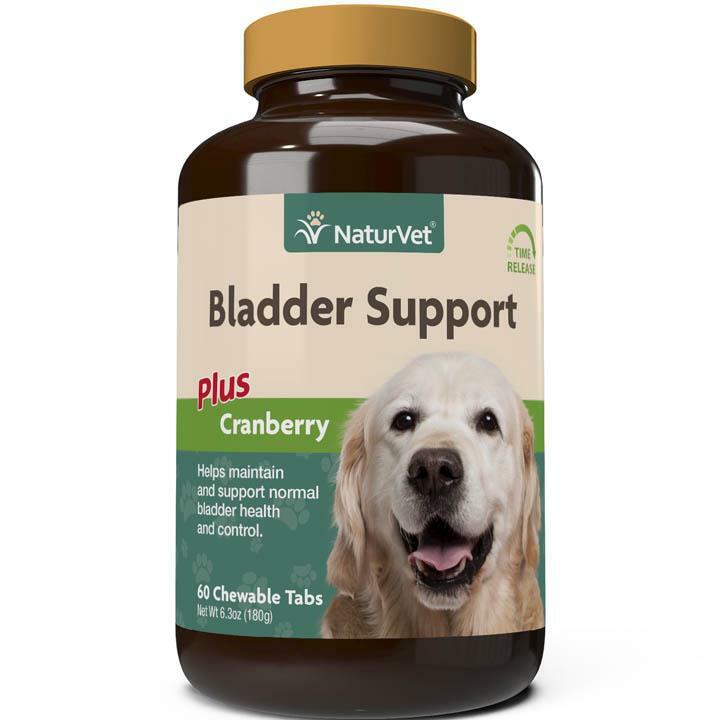
Naturvet® Bladder Support Plus Cranberry Dogs Chewable

Excitement Urination In Dogs (Tips For What You Should Do)